
By Holland Webb @WebbHollandLyle
You’re a writer, and writers should get paid, right? Yes, they should! If you work diligently enough, you will probably find people and publishers who will pay you for your work.
Unfortunately, you may also run into a scammer along the way, someone who is more than happy to enrich themselves at your experience. Freelance writing scams are a common internet swindle, and they can take many forms.
Let’s take a quick look at the top five most common writing scams and how you can avoid them.
How it works: The scammer wants you to be part of a team of writers who create articles for their clients. If you pass their test — and you will — you’ll be allowed inside a locked job board. You’ll have to pay to play, though, and once inside, you’ll likely find no actual work available.
How to avoid it: Some writing platforms are legitimate and will pay you decent money for your work. These often have reviews from their existing writers or editors on third-party sites like Glassdoor or Indeed. They also have an active social media presence with recent content. Scammers either haven’t set up these things or have done so sloppily.
[tweet_box design=”default” float=”none” inject=”#Writinglife #Writing #BRMCWC”]Don’t Fall for These 4 Writing Scams by @WebbHollandLyle on @BRMCWC[/tweet_box]
How it works: You sign up for a writing course or pay a coach to help you improve as a writer. But the course provider or coach isn’t actually qualified. Once you pay your fees, you discover that the course is overpriced and unhelpful or the coach has no valuable insight.
How to avoid it: Courses can be a boon to your freelance writing career, and a good writing coach is worth their weight in gold. Just make sure the person you pay to learn from has considerably more experience than you do before you send them money.
How it works: The scammer posts a job or reaches out to you with an offer to interview. You send a resume and complete the interview process. You get hired, and onboarding paperwork comes to your inbox. You just need to fill out your contract and a form with your bank’s routing number, your account number, and your social security number. The scammer uses the numbers you send to rob you, and the “job” goes up in smoke.
How to avoid it: This one scares me because the process mirrors that of getting a real freelance job offer. You can usually tell the scammers because they contact you out of the blue, offer you a salary that’s too good to be true, and rush the hiring process.
How it works: Anyone can call themselves an agent, a marketer, or a publisher. There’s absolutely no barrier to entry for these professions. Sometimes scammers impersonate legitimate professional services. At other times, they just tell you they can do something they can’t.
How to avoid it: Remember that real agents don’t charge up-front fees, and publishers and marketers should have top-notch websites with case studies and testimonials. If they are going to market your work, they should be able to market themselves.
Go to a conference like Blue Ridge. Meet the agents and publishers who are there. Listen for the names of their friends and colleagues. If another professional approaches you, ask your Blue Ridge friends to give them a reference before you trust them.
Try looking for these hallmarks:
I want every writer who wants to be paid to get paid. I just don’t want you to get scammed. Keep an eye out for freelance scams, so you can put your efforts toward better opportunities.
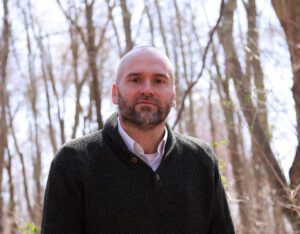 Holland Webb is a full-time freelance writer and editor whose clients have included High Bridge Books & Media, Sweet Fish Media, Compose.ly, and RedVentures, and his articles have appeared in Focus on the Family, Influencive, Devozine, and Keys for Kids. With his friend Carlton Hughes, Holland co-authored Adventures in Fatherhood: A Devotional. Almost 20 years ago, Holland adopted two boys, both now grown, and he recently married for the first time at age 45.

The Conversation
Wow. I had no clue. Thank you for sharing such an easy to understand post with guidance for avoiding scammer tactics.
Thanks, Charla.
I recieved a message from i believe a scammer claiming to be a well known musician. He’s claiming he c a n get me a “job” some of the conversation is below.
“First of I will fulfill my first promise to you about getting you a job
You have a kind heart so you deserve
This one online job that pays I think 2500$ above monthly
You told me you wanted more job.
Just be typing stories and documents
Send me your full name so I forward it to my team to send it to the company
Send me your full name
So I forward it can forwarded to company
I think after the name it’s given to you
They will forward you a link to fill and submit
You can do whatever investigation you want:
I have forward your name to my team
So they will send it to the company
If they send the application form link
I will send it to you.”
He refuses to answer my questions, I know its a scam but I wanted to see if others were recieving similar “job offers” like this.