
by Lynn Blackburn @LynnHBlackburn
I kind of am.
I’m not to the point that I would claim to know and understand all the variants of all the different types out there, but I may get a little bit too excited when I read a description and have that “Oh, my word! How did they know I do that?” moment.
I realize some people are more drawn to this particular type of nerdiness than others (ahem, because of their personalities!) but as a writer, there are a few reasons I think it would be worth your while to spend a little time to discover not only your own personality, but also the personalities of those around you.
The better you know how you’re wired, the more effective you’ll be as a writer.
If you’re an extroverted writer (yes, I know you’re out there) you need to be sure to plan time to interact with other writers, and lots of other friends, even when you’re up against a deadline. It isn’t wasting time for you to do this. It’s critical to your ability to concentrate and refuel your creativity.
Maybe you’re an HSP—a highly sensitive person. HSPs have a nervous system that is particularly sensitive to noise, violence, textures, crowds, lights and other assaults to the senses. This doesn’t mean you can’t enjoy a concert or a noisy birthday party, but if you know you’re an HSP you’ll know not to try to do anything creative until you’ve had time to recover.
Some personality types are great at planning, but lousy at executing. Some are great at starting projects, but lousy at finishing. Some procrastinate until the last possible moment. None of these things are inherently bad, but if you know you have these proclivities, you can take the steps you need in order to successfully complete your manuscripts.
Your personality type can also give you insight into how you handle criticism and rejection, which is important because there’s no avoiding either of those.
As much fun as it is to learn about personalities for our own purposes, it becomes even more important when we want to write believable characters who act and think in ways completely different from us. Speaking for myself here, if all of my characters acted the way I do, my stories would be boring.
“Oh, let’s watch this character as she stays at home and overthinks yet another tense conversation that happened two weeks ago but once again, she won’t do anything about it because she avoids conflict at all costs.”
Writer, Are You A Personality Geek? by @LynnHBlackburn on @BRMCWC #Writing #Writinglife #BRMCWC Share on XYeah. That won’t work.
If I want to have a story, I need at least a few characters who take risks, mouth off, and love to party. And the best way for me to write those characters in a way that rings true is to have some understanding of their core personalities. I’ve found some wonderful ideas to create conflict and, well, it has to be said, brilliant ways to stress my poor characters out, just by reading the descriptions listed on some Myers-Briggs and Enneagram sites. “Oh, this type of person gets stressed out when forced to make a decision that is guaranteed to disappoint someone else.” Oh, wait, that was me again. But you get the idea.
But many of us are walking around completely confused about ourselves. How could we possibly hope to understand and know anyone else? Please understand, I don’t claim to understand everything about myself. I know my Myers-Briggs type. I know I’m an HSP, and I’m an introvert. I know where I land on the Enneagram. But there is still so much to learn.
If you’d like to do some more exploring into different personalities, I’ve read two books fairly recently that can get you started.
Linked Quick Guide to Personalities by Linda Gilden and Linda Goldfarb is a great read and a great introduction to the way understanding personality types is beneficial to all relationships.
Reading People by Anne Bogel introduces nine different personality frameworks. This book isn’t intended to help you understand your own type, but rather to give you an overview into how understanding a multitude of personality types can help you better understand yourself and those around you. I learned about a few types of personality frameworks that I’d been previously unfamiliar with, and I now understand my Myers-Briggs assessment better than ever.
So how about you? Do you find personality types interesting, or would you rather read an old phonebook? Do you use personality types in your writing? Or have a favorite book on the subject? Please share with us in the comments.
Grace and peace,
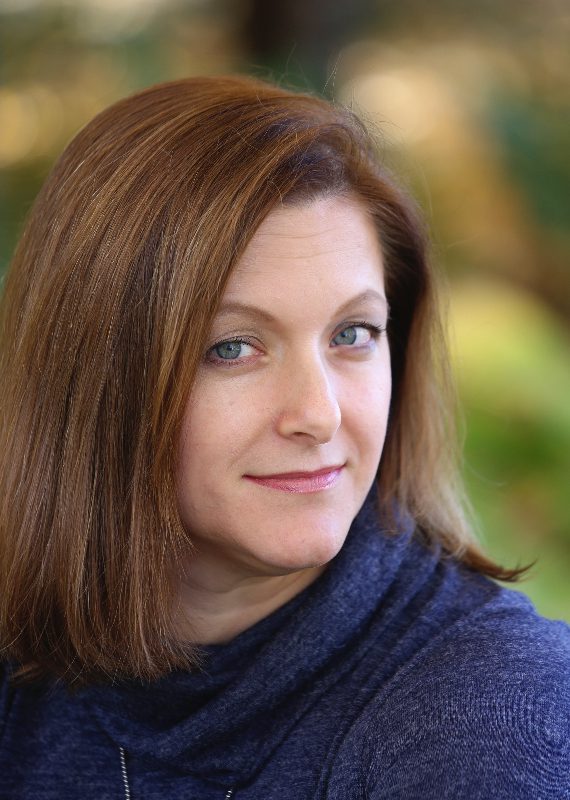
Lynn H. Blackburn loves writing swoon-worthy Southern stories—from nail-biting romantic suspense to butterfly-inducing contemporary romance. Her novels have won multiple awards, including the Carol, Selah, and FHL Reader’s Choice awards.
Lynn is a frequent conference speaker and has taught writers all over the country. She lives in South Carolina with her husband, children, and an overprotective goldendoodle. You can follow along with her real-life plot twists by signing up for her newsletter at LynnHBlackburn.com and connecting with her @LynnHBlackburn on social media.
