
By Candyce Carden @CandyceDeal
I write nonfiction, yet I don’t outline before I write. I start with an idea of where I’m going and see where the road leads. Lots of writers proudly proclaim to be a Pantster — one who flies by the seat of her pants. No thoughts to an outline to crimp our style. But any good Pantster knows it’s not that simple.
No matter your style, planner or pantster, creating an outline after you write is a wonderful editing tool. A reverse outline can improve structure, clarity, and concision. I use this process with college composition students to help them identify flaws in their essays.
[tweet_box design=”default” float=”none” inject=”#Writing #Writingtip #BRMCWC”]Reverse Outlining Your Book by @CandyceDeal on @BRMCWC [/tweet_box]
I use a reverse outline with my own writing for the same reason.
When we write, we focus on the details: words, sentences, and punctuation. It’s easy to lose sight of our destination as we wander down sideroads. A reverse outline allows us to step back from our writing for a bird’s eye view of its structure. Think of it as a sketch of your rough draft.
Create a reverse outline of your writing by following the steps below.
Watch out for these two ailments in your paragraphs as you create your reverse outline.
Diagnosis and Treatment: The paragraph contains too many ideas. Break it into two or more paragraphs, or cut the inessential information.
Diagnosis and Treatment: The paragraph is underdeveloped. Either develop the idea further or combine it with a related paragraph.
The resulting list of summary phrases or sentences is your reverse outline. Next, read the outline aloud. Do paragraphs build logically to the conclusion, or do they detour? If they detour, your reader will likely get lost. Mark any areas that seem problematic.
The next section shows how to put your reverse outline to work for you.
Answer a few questions to analyze your major claim, improve clarity and concision, and strengthen the structure of your article.
Look at each paragraph in your draft again and consider the following:
Because I’m a Pantster, outlining after I write is more effective than outlining before I write. But the reverse outline is also a wonderful checkup for Planners. Give the reverse outline a spin around the block. It may shorten your journey.
I’d love to hear what you think.
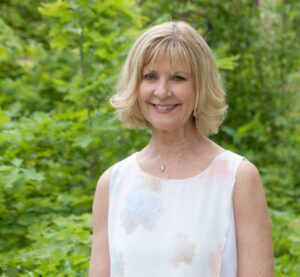 Candyce Carden is a writer and teacher in north Georgia. She’s worked with students from kindergarten to college and also served as Director of the Preschool Program for her church. Candyce has published a variety of essays, teaching and parenting articles. Her Christian writing has appeared in Lifeway, The Quiet Hour, Reflections, Christian Broadcasting Network, Today’s Christian Living, Refresh Magazine, Christian Devotions, and Chicken Soup for the Soul.
Her desire is to help readers discover the abundant life Jesus longs to provide. Find her blog, Harvesting a Life of Abundance, at CandyceCarden.com.
