
by A.C. Williams @ACW_Author
I didn’t go to school to learn how to write.
Well, maybe I did. I went to school to learn to be a journalist, specifically for printed newspapers, if you can believe that. The degree I graduated college with doesn’t even exist at my alma mater anymore. Times and industries have changed so drastically in the twenty years that have passed since I walked the stage in my cap and gown.
While my journalism training did prepare me for storytelling in many ways, it didn’t teach me how to approach creative writing. Frankly, even the creative writing classes I took at college didn’t help my novelist career much.
I have benefited greatly from attending writing conferences, and I had a hugely influential critique group in my late twenties. But in the grand scheme of how I learned to write, there is one consistent teacher I’ve always had that never let me down.
I read great books.
Seriously.
When I wanted to write a particular genre, I looked up what the most popular books in that genre, and I either bought them or checked them out at the library. I read them. I analyzed them. I read reviews on them. I learned what made them work. Then I tried to do it myself.
How Do You Learn To Write? by @ACW_Author on @BRMCWC #Writing #Writinglife #BRMCWC Share on XNow, as a younger writer, I had a bit of an attitude (okay, a lot of an attitude) about genre and tropes. I have begun to think this is a common attitude in most young writers. We want to change world. We want to write something no one has ever seen before or read before. We want to take all the established stories and turn them on their heads, do something different, revolutionize the industry, and get paid to do it. We aren’t asking for much.
As an author who has been pursuing this career for more than 30 years now, I have learned a lot from my own missteps and the missteps of others. I’ve watched the industry shift and change and shift again, even after everyone predicted it wouldn’t. I watched it stay the same when everyone predicted it would turn upside-down overnight. For years we’ve been riding on the Fantasy Train with fantasy being the highest selling speculative fiction genre out there. Well, even that has shifted recently, and Science Fiction is having a moment now. The old pendulum has swung back the other way, and it’s out with the elves and in with the Vulcans (who are basically space elves if we’re being honest).
If you want to learn how to write to the market, you have to know what’s selling, and you have to know why. The best way to do that is to read what’s selling. Do your research. Find the top-rated books in the genre you want to write. Get them. Read them. Analyze them.
Ask friends who have read them what they liked, what they didn’t like, what they wished the author had done differently. Meet the people who are reading those kinds of books and see if you can identify a common pain point they all feel. That’s not writing to a trend; that’s market research.
What do readers read? Ask around. Fantasy is more than Brandon Sanderson. Science Fiction is more than Timothy Zahn. Granted, both of those authors are exceptional, and you can learn tons from them. But there are a multitude of other books that may not get the same kind of press but can teach you just as much about writing.
If you want to read detailed historical fantasy, choose books by authors like Stephen Lawhead. Stephen Lawhead also does richly detailed science fiction. So do Kathy Tyers and Karen Hancock.
If you’re less about spaceships and more about futuristic software, an author like Kerry Nietz is a fabulous choice, specifically his Dark Trench Saga. If you’re more into epic fantasy, the highest recommendation I can give is for Gillian Bronte Adams’s The Fireborn Epic. Morgan Busse’s The Ravenwood Saga is also fabulous as an epic fantasy read.
If you want to write fantasy that doesn’t have a focus on magic systems or creatures or anything of that nature, your best bet is authors like Emily Hayse or C.M. Banschbach who both specialize in non-magic fantasy. But if you are more of a paranormal/urban fantasy sort of writer, a great Christian option is author Janeen Ippolito. If superheroes are your jam, H.L. Burke has dozens of fun, hilarious superhero books for multiple age groups. And, yes, yours truly has some superhero books and science fiction books too.
If you want to become a better writer, the best thing you can do for your career is to make time and space to read. Read widely. Read critically. Read with an eye open to what you can learn from authors who are just a little bit further down the road than you are.
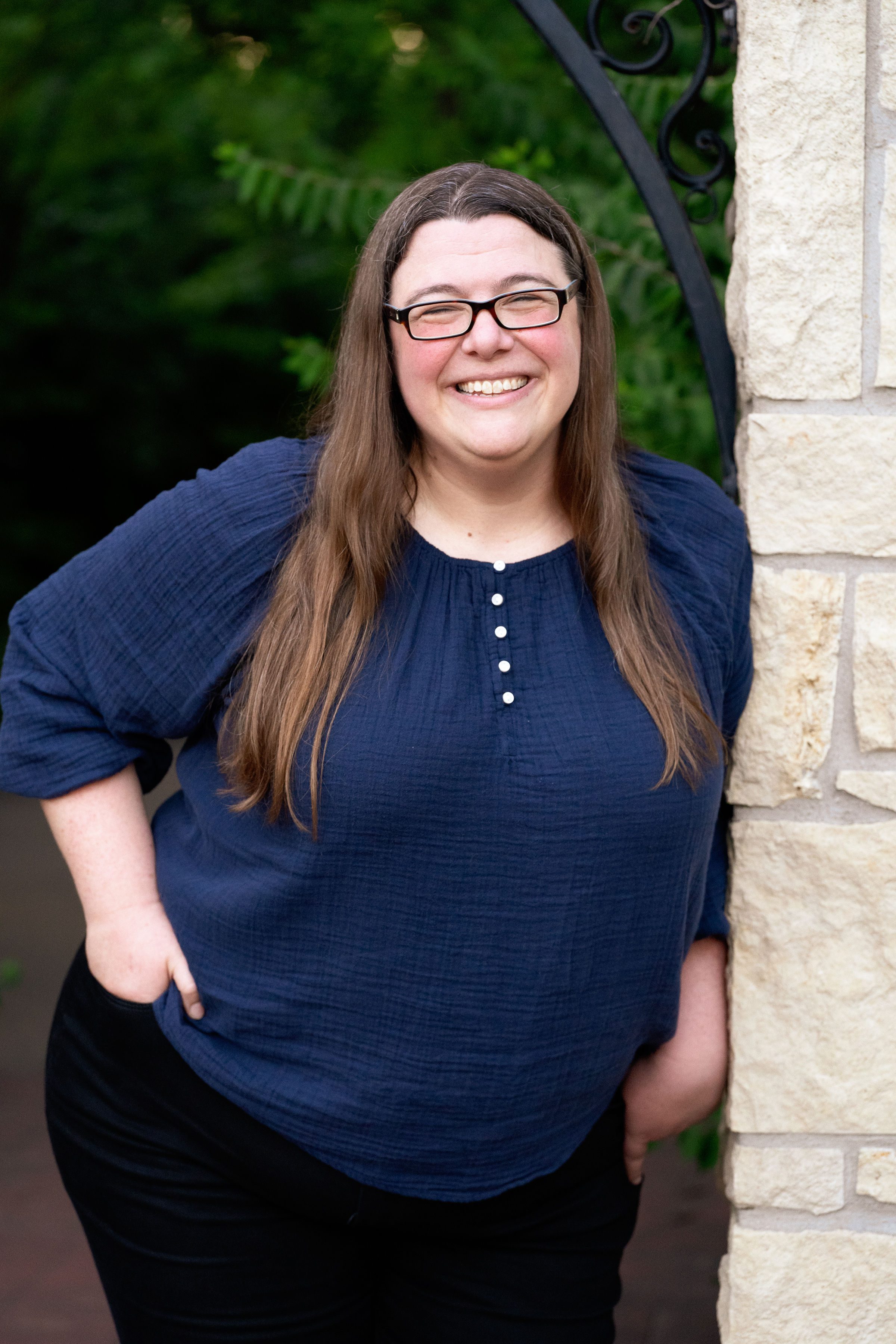 A.C. Williams is a coffee-drinking, sushi-eating, story-telling nerd who loves cats, country living, and all things Japanese. Author of more than 20 books, she keeps her fiction readers laughing with wildly imaginative adventures about samurai superheroes, clumsy church secretaries, and goofy malfunctioning androids; her non-fiction readers just laugh at her and the hysterical life experiences she’s survived. If that’s your cup of tea (or coffee), join the fun at www.amycwilliams.com.
